Same-Day Emergency Dental Appointments
We offer same-day relief for urgent dental issues like tooth pain or broken, cracked, or chipped teeth. Call now to be seen right away!
After dental implant surgery, the best foods are cool or lukewarm, soft, moist, and easy to swallow. Good options include yogurt, applesauce, eggs, mashed vegetables, and smooth soups because they help you maintain nutrition while protecting the surgical site.
Always follow your implant dentist’s instructions first, since diet guidance can vary by procedure and health history. For a concise timeline, see dental implant timeline.
If you’re recovering from implant surgery or planning one, learning about dental implants can clarify timing, healing expectations, and diet changes specific to your case. Smileology in Niceville, FL helps patients understand procedure timelines and post-op care so you can protect healing while maintaining nutrition.
A dental implant is placed in the jawbone to replace a missing tooth root and support a future crown, bridge, or denture. Early healing depends on protecting the blood clot, gum tissue, and the bone-to-implant attachment process called osseointegration.
Hard, crunchy, sticky, or chewy foods can irritate the area or place pressure on the site. Very hot foods can also increase discomfort or bleeding, especially in the first day or two.
Your diet may need to stay softer for longer after multiple implants, bone grafting, a sinus lift, or immediate temporary teeth. These situations are common in oral surgery and often come with more specific post-op instructions. Do not chew directly on the implant site until your dentist says it is safe.
Choose foods that are smooth, moist, and easy to swallow. Let hot foods cool first, and remove seeds, tough skins, or crunchy toppings.
Smoothies and shakes can help when chewing is limited, but do not use a straw unless your dentist allows it. Suction can disturb the healing clot, especially if an extraction was done during the same visit.
Healing time varies based on implant location, the number of implants, grafting, nicotine exposure, diabetes control, and other health factors. The timeline below is common, but your dentist’s instructions should override it.
|
Typical Stage |
Food Texture |
Examples |
Main Precaution |
|---|---|---|---|
|
First 24 to 48 hours |
Cool or lukewarm, smooth |
Yogurt, applesauce, pudding, pureed soup |
Avoid heat, straws, and chewing near the site |
|
Next several days |
Mashed or very soft |
Eggs, oatmeal, mashed potatoes, tofu |
Take small bites and chew away from surgery |
|
Following 1 to 2 weeks |
Fork-tender, as comfortable |
Soft pasta, flaky fish, cooked vegetables |
Do not advance if chewing causes pain or bleeding |
|
Later healing |
Gradual return toward normal |
Foods approved by the dentist |
Continue avoiding direct force on the implant if instructed |
If your mouth is still numb, wait to chew until normal feeling returns. This lowers the risk of biting your cheek, lip, or tongue.
If you have a temporary crown, bridge, or denture, follow those restrictions carefully. A temporary restoration may not be designed for full chewing pressure during healing.
Your body needs protein, calories, and fluids to heal well after implant surgery. Eggs, yogurt, tofu, beans, fish, and protein shakes can help you meet protein needs without heavy chewing.
Try to choose nutrient-dense foods instead of relying mostly on sweets like ice cream or pudding. Soft foods can still provide balanced nutrition when you include protein, cooked grains, fruits, and vegetables.
Drink water from a cup and stay hydrated. Avoid alcohol while healing or while taking medications that should not be mixed with it.
If acidic, spicy, very salty, or sugary foods sting the area, avoid them for now. People with diabetes, kidney disease, swallowing problems, food allergies, or prescribed diets should ask their dentist or physician how to adapt these choices.
Avoid chips, popcorn, nuts, seeds, crusty bread, hard raw vegetables, tough meats, sticky candy, gum, and ice until your dental team clears them. These foods can irritate the incision, get trapped near the site, or overload an implant or temporary tooth.
Do not test the implant by pressing on it with your finger or tongue. Smoking, vaping, and other nicotine use can reduce blood flow and increase the risk of delayed healing or implant problems.
Follow your cleaning instructions closely. Forceful rinsing, aggressive brushing over the area, or using a water flosser too early can interfere with healing, while poor cleaning can allow plaque to build up.
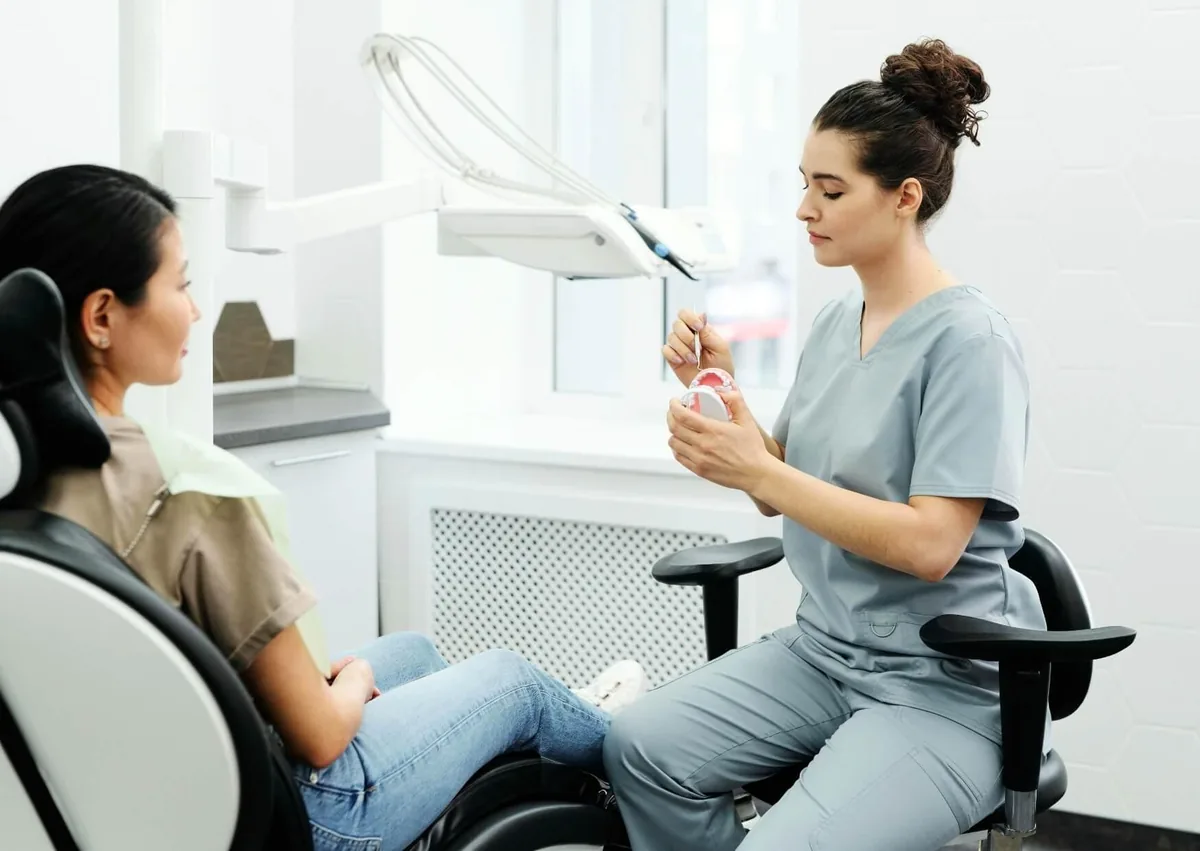
Dental implants are a well-established option for replacing missing teeth. If you are wondering whether implants are still considered new or uncertain, see experimental dental implants.
A missing tooth can contribute to bone loss, which is one reason implant treatment may be recommended. Candidacy depends on gum health, bone volume, medical history, medications, oral hygiene, nicotine use, and follow-up compliance.
Some patients need periodontal treatment or bone grafting before or during implant placement. Patients who feel anxious about surgery may ask about sedation dentistry to stay comfortable, and those comparing providers can learn how to choose a dental practice.
The implant usually heals undisturbed for several weeks to months while it integrates with the jawbone. A final crown, bridge, or denture is typically placed only after the dentist confirms stability, although some patients receive an immediate temporary tooth.
Advanced tools such as YOMI robotic surgery can improve placement precision and may reduce surgical trauma in some cases. That can influence recovery details, including how long you need to stay on softer foods.
Some soreness, swelling, bruising, and minor oozing are normal early on. These symptoms should gradually improve, not worsen.
Call the dental office promptly if you have pain or swelling that is getting worse instead of better, persistent bleeding, fever, pus, drainage with a bad taste, an opening incision, new numbness, or a loose implant or temporary tooth.
Seek urgent medical care for trouble breathing or swallowing, rapidly spreading facial or neck swelling, uncontrolled bleeding, or signs of a severe allergic reaction. Those symptoms should not wait for a routine follow-up.
To confirm when you can safely resume firmer foods or to get a personalized post-op diet plan, schedule a follow-up or implant consultation with your dental team. Smileology’s dental implants team in Niceville, FL serves patients from Miramar Beach and Crestview, FL; call (850) 897-4488 or book online to arrange care.
Many people need a very soft diet for several days and then progress gradually as comfort improves. If you had multiple implants, grafting, or a temporary restoration, restrictions may last longer.
You can often have cool, soft foods once your dentist says it is okay and you can swallow safely. It is best to wait until numbness wears off before chewing.
Avoid very hot coffee during early healing because heat can increase bleeding or irritation. Ask your dentist when warm coffee is acceptable, and drink it from a cup rather than through a straw.
Choose foods that need little or no chewing, such as yogurt, purees, blended soups, or appropriate nutrition shakes. Contact your dental team for personalized guidance instead of chewing over the implant site.
Return to crunchy foods only after your dentist confirms the site and any temporary restoration can handle more force. Feeling comfortable does not always mean the implant is fully integrated.