Same-Day Emergency Dental Appointments
We offer same-day relief for urgent dental issues like tooth pain or broken, cracked, or chipped teeth. Call now to be seen right away!
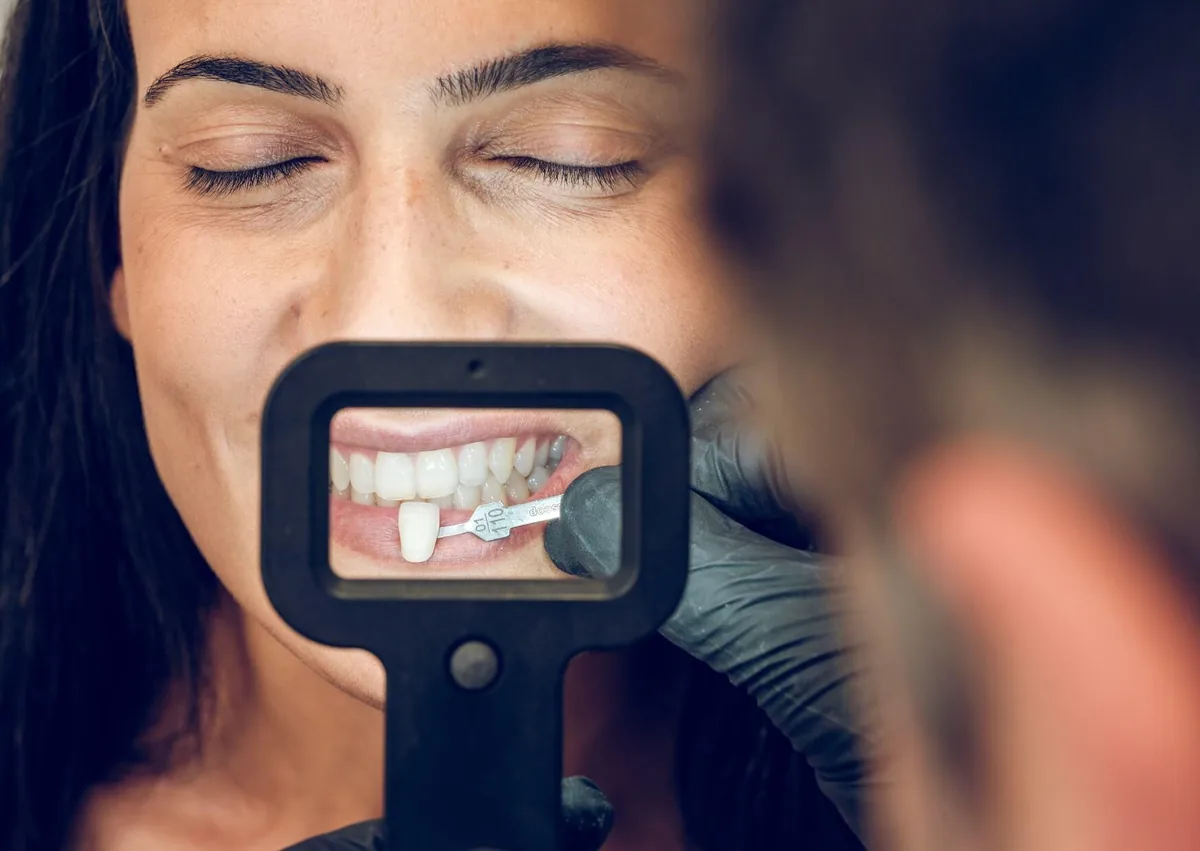
A smile makeover is a customized plan that improves the appearance of your teeth and, when needed, restores comfort and function. Treatment may include whitening, bonding, veneers, crowns, orthodontics, gum care, or dental implants, but the right plan starts with oral health, bite stability, and long-term predictability.
Read about the benefits of a smile makeover to understand outcomes beyond cosmetics.
If you’re weighing options for discoloration, gaps, or a coordinated plan that might include veneers, bonding, or orthodontics, cosmetic dentistry can help clarify which combination of treatments best matches your goals. At Smileology in Niceville, FL, our team explains practical trade-offs and focuses on preserving oral health while improving appearance.
A smile makeover can address stained teeth, worn enamel, chips, uneven edges, spacing, crowding, gum recession, old dental work, and missing teeth. These changes may develop from decay, gum disease, grinding, injury, or normal aging.
Missing or badly damaged teeth need special attention because they can change chewing forces and allow nearby teeth to drift. Bone in an area without a tooth may also shrink over time, which can affect whether an implant can be placed without added treatment such as bone grafting.
A smile makeover may include dental implants when they are the best way to replace missing teeth and support function. For more on replacement options, see solutions for missing teeth.
The first step is identifying the cause of each concern. Whitening may brighten natural enamel, for example, but it will not change the color of crowns or fillings, and placing a veneer on an unhealthy tooth does not solve the underlying problem.
The right treatment depends on which teeth are involved, how much healthy tooth structure remains, the condition of the gums and bone, and how much change you want. Common options include:
|
Treatment |
Often Used For |
Important Limitation |
|---|---|---|
|
Stains or generalized discoloration |
Does not lighten crowns, veneers, or fillings |
|
|
Composite bonding |
Small chips, gaps, or shape changes |
Can stain or wear and may need repair |
|
Color, shape, size, or minor alignment concerns |
Usually requires some enamel alteration |
|
|
Crowns |
Heavily filled, cracked, worn, or weakened teeth |
Requires tooth preparation |
|
Clear aligners or braces |
Crowding, spacing, or certain bite problems |
Requires time and consistent appliance use |
|
Gum contouring or periodontal care |
Uneven gumlines or unhealthy gums |
Gum disease must be stabilized before cosmetic work |
|
Replacement of missing teeth |
Requires adequate bone, healing, and surgical candidacy |
|
|
Bridges or dentures |
Replacement of one or more missing teeth |
Support, maintenance, and longevity vary by design |
Conservative treatment is usually preferred when it can produce a stable result. In some cases, orthodontics and whitening can reduce the number of teeth that need veneers, while bonding may be enough for a small defect that does not justify a crown.
Learn about the health benefits of Invisalign when considering aligner-based orthodontic treatment.
Healthy gums and controlled decay matter before cosmetic treatment begins. A dentist may use an exam, periodontal measurements, bite analysis, photos, digital scans, and X-rays to check roots, bone, old restorations, and hidden disease.
Smile makeover candidacy may also be affected by smoking or vaping, uncontrolled diabetes, dry mouth, active gum disease, severe grinding, certain medications, and expectations that cannot be reached safely. These factors do not always rule out treatment, but they can change the sequence, materials, healing, and long-term outlook.
Planning should cover tooth color, proportions, bite, facial appearance, maintenance, and how much natural tooth structure each option preserves. A predictable smile makeover should support oral health and function, not just appearance.
For more complex cases, a dentist may use digital previews, study models, or a temporary mock-up. These tools help guide decisions, but they are planning aids rather than exact guarantees.
Some smile makeovers are completed in one or two visits. Others take months because treatment must be staged to protect the teeth, gums, bite, and final appearance.
Whitening and bonding are often the fastest options. Veneers and crowns usually require a preparation visit, time for lab fabrication, and a placement visit.
Orthodontic treatment may take several months or longer, depending on the amount of tooth movement and bite correction needed. Implant treatment often takes several months because the implant must heal into the jawbone, and grafting or gum treatment can extend the timeline.
A staged smile makeover often follows this sequence:
Healing depends on the procedure. Whitening and bonding involve little or no surgical recovery, while extractions, grafting, gum procedures, and implant placement require tissue healing and follow-up care.
Temporary sensitivity or gum tenderness can happen after some procedures. Contact the treating dentist promptly for worsening swelling, severe or persistent pain, fever, pus, uncontrolled bleeding, a loose restoration, or trouble swallowing or breathing; breathing or swallowing difficulty requires urgent medical care.
No smile makeover is maintenance-free. Long-term success depends on daily hygiene, regular dental visits, bite forces, diet, health conditions, and the materials used.
Home care usually includes brushing with fluoride toothpaste and cleaning between the teeth every day. Patients should also avoid habits such as chewing ice or using teeth to open packages.
A nightguard may be recommended if grinding or clenching could damage restorations. It can help protect dental work, although it does not treat every cause of jaw discomfort.
Whitening may need touch-ups over time. Bonding can chip or stain, and veneers, crowns, bridges, dentures, and implant restorations all have a limited lifespan and may eventually need repair or replacement.
A well-planned smile makeover can create a more even tooth color, improve symmetry, replace missing teeth, strengthen compromised teeth, and support more comfortable chewing. Combining treatments also helps create a more coordinated result than fixing one visible issue at a time.
There are limits. Dental treatment cannot guarantee a specific appearance or last forever, and some procedures permanently change enamel or require future replacement.
That is why benefits should be weighed against cost, treatment time, biological risk, and maintenance. The best plan is one that fits your goals without sacrificing long-term oral health.
Schedule a cosmetic dentistry consultation when discoloration, missing teeth, worn restorations, chips, spacing, or bite concerns affect confidence or function. An evaluation is especially important if you have persistent sensitivity, tooth mobility, bleeding gums, pain, swelling, or a change that is getting worse.
A consultation can prioritize health, sequencing, and materials so you know what to expect. Contact Smileology for cosmetic dentistry in Niceville, FL, serving Miramar Beach and Crestview, and call (850) 897-4488 or schedule an appointment online.
Cost varies widely because a smile makeover may involve one treatment or several procedures across many teeth. After an exam, a dentist can provide an itemized plan, explain alternatives, and clarify which restorative services may qualify for insurance benefits; cosmetic treatment is often not covered. We also discuss the cost of dental treatment to help patients plan financially.
Many cosmetic procedures cause little discomfort, and local anesthetic can be used when tooth preparation or surgery is needed. The expected sensations and recovery depend on the procedures selected, so pain control and aftercare should be reviewed before treatment starts.
Yes. Depending on oral health, bone support, anatomy, budget, and preferences, missing teeth may be replaced with implants, bridges, or removable dentures as part of the overall plan. Dental implants are often the most durable long-term option when bone and health allow.
No. Some people reach their goals with whitening, bonding, orthodontics, gum treatment, or replacement of failing restorations, and veneers should be chosen only when their benefits justify enamel alteration and ongoing maintenance. Learn what dental veneers do to decide whether they fit your goals.
There is no single lifespan because each material performs differently over time. Daily hygiene, bite forces, grinding, diet, tobacco exposure, health conditions, and routine dental care all affect how long the result stays healthy and attractive.