
Same-Day Emergency Dental Appointments
We offer same-day relief for urgent dental issues like tooth pain or broken, cracked, or chipped teeth. Call now to be seen right away!
A cracked tooth may look like a thin vertical line in the enamel, the hard outer layer of the tooth. In some cases, the tooth looks completely normal even when a crack is present.
The key point is that a cracked tooth is often easier to feel than to see. Many patients notice sharp pain when biting, brief cold sensitivity, or discomfort that comes and goes before they notice any visible change.
At Smileology in Niceville, we offer emergency dentistry for patients in Niceville, Miramar Beach, and Crestview experiencing sudden dental pain or suspected cracked teeth.
Teeth are strong, but they are not indestructible. A crack can develop after biting something hard, clenching, tooth grinding, a sports injury, or years of repeated stress.
Large fillings can also make a tooth more vulnerable because less natural tooth structure remains to absorb force. Back teeth, especially molars, are affected more often because they handle the highest chewing pressure.
Temperature changes may also play a role. Very hot and very cold foods do not usually crack a healthy tooth on their own, but they can worsen stress in a tooth that is already weakened.
If a crack is visible, it may appear as a faint line running up and down the tooth. The line may look white, gray, or slightly darker than the surrounding enamel.
Sometimes the tooth looks intact, but part of the chewing surface feels higher, sharper, or less stable. In other cases, a corner or cusp, the pointed part of a back tooth, may look slightly separated or chipped.
A deeper crack may collect stains over time, which can make the line look brown or dark. That does not always mean the tooth is decayed, but it does mean the area should be checked.
If the crack extends far enough, the tooth may appear split into sections. A tooth that looks visibly separated is more urgent than a minor surface line and should be evaluated promptly.
Many adults have small enamel lines called craze lines. These are tiny, superficial lines in the enamel and are often seen in front teeth under bright light.
Craze lines usually do not cause pain and often do not need treatment. A true crack is different because it may extend deeper into the tooth and affect the dentin, the layer under the enamel, or even the pulp, which contains the nerve and blood supply.
That is why appearance alone is not enough. A painless line may be harmless, and a painful tooth may show no visible crack at all.
A cracked tooth may cause pain when chewing, especially when releasing the bite. Many patients describe it as a quick, sharp jolt rather than constant pain.
Cold sensitivity is also common. Learn more about sensitive teeth. Sweet foods may also trigger discomfort, and symptoms may come and go for days or weeks.
If the crack reaches the pulp, pain may become more persistent. Swelling, gum tenderness near one tooth, or pain that starts waking you from sleep can point to a more advanced problem and should be checked promptly.
Cracks can be difficult to confirm, even in a dental office. A dentist may use bright light, magnification, bite tests, and dental X-rays to look for changes around the root or supporting bone.
It is important to know that many cracks do not show clearly on standard X-rays. Diagnosis often depends on the symptom pattern, where the pain occurs, and whether part of the tooth moves or responds differently during testing.
In some cases, the dentist may recommend removing an old filling to inspect the tooth more closely. This helps show whether the crack is limited to the crown, the visible part of the tooth, or extends deeper toward the root.
Treatment depends on the location and extent of the crack. A minor crack with no symptoms may only need monitoring and periodic review.
If the tooth is weakened but still restorable, a crown is often used to hold it together and reduce flexing during chewing. This is a common approach when pain happens with biting but the nerve is still healthy. For more on this option, see our dental crowns page.
Smileology also offers one-visit crowns for many restorations. This can make treatment faster and more convenient for some patients.
If the pulp is inflamed or infected, root canal treatment may be needed before the tooth is restored. This can relieve pain and help save the tooth.
If the crack extends too far below the gumline or down the root, saving the tooth may not be predictable. In that case, extraction may be the safer option. See our article on extraction warning signs for more on when removal is recommended.
When a tooth cannot be saved, replacement options may include a dental implant, bridge, or removable partial denture. The best choice depends on bone support, nearby teeth, bite forces, and long-term maintenance goals.
If a crown is placed for a cracked tooth, symptoms often improve once the tooth is stabilized. Some tenderness can continue for a short time, especially if the crack irritates the ligament around the root.
If root canal treatment is needed, the timeline is usually longer. The tooth must be treated internally and then protected with a final restoration.
If extraction is necessary, the healing plan may also include a discussion about bone preservation and future replacement. Early treatment gives a cracked tooth the best chance of being saved and may help prevent a more complex problem later.
Schedule a dental visit promptly if biting pain keeps returning, cold sensitivity is getting worse, or one tooth suddenly feels different from the others. A tooth that hurts only sometimes can still have a significant crack.
Urgent evaluation is especially important if there is swelling, a bad taste, increasing pain with pressure, or a piece of the tooth has shifted or broken off. These signs may indicate deeper structural damage or infection and are reasons to seek emergency dentistry care.
If the tooth was injured during sports, a fall, or a car accident, do not rely on appearance alone. Even a tooth that looks normal after trauma may have an internal crack and should be examined.
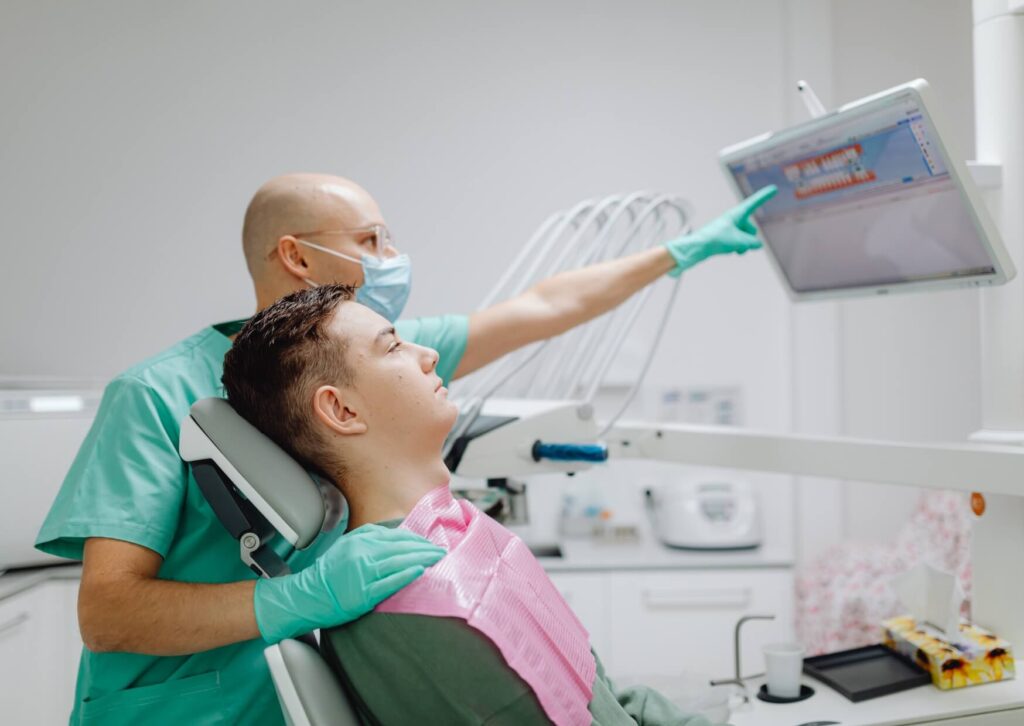
If you are wondering what a cracked tooth looks like, the honest answer is that the appearance can be subtle, misleading, or completely hidden. What matters most is the combination of visible changes, symptoms, and clinical testing.
A consultation makes sense when a tooth has a new line, unexplained biting pain, or temperature sensitivity that does not settle. A dentist can explain whether the finding looks like a harmless enamel line, a restorable crack, or a problem that needs faster treatment.
If you have sudden or worsening tooth pain, Smileology provides emergency dentistry at our dental offices in Niceville, Miramar Beach, and Crestview, making it easy to get care at the location that's most convenient for you.
Call our Niceville office at (850) 897-4488, our Miramar Beach office at (850) 424-7887, or our Crestview office at (850) 331-3392 to schedule an appointment.
A true crack in a tooth does not heal the way skin or bone heals. Symptoms may come and go, but the damaged tooth structure remains and should be evaluated.
No. Many cracks are too small or too deep to see at home. Some of the most painful cracks are not obvious without dental testing.
Craze lines are shallow enamel lines that are often cosmetic only. A cracked tooth extends deeper and may cause pain, sensitivity, or structural weakness.
Yes, especially if the pain happened with biting or cold. Intermittent symptoms are common with cracked teeth, and the problem can worsen even after a quiet period.
Sometimes. If the crack extends too far below the gumline or down the root, the tooth may not be restorable and extraction may be recommended.