Same-Day Emergency Dental Appointments
We offer same-day relief for urgent dental issues like tooth pain or broken, cracked, or chipped teeth. Call now to be seen right away!
If you recently had wisdom teeth removal, it is usually safest to wait about 7 days before trying a soft burger. After a difficult extraction, especially a lower wisdom tooth removal, you may need 10 to 14 days before chewing a burger feels comfortable.
Use your symptoms, not just the calendar, as your guide. Wait until bleeding has stopped, swelling is improving, and chewing does not cause pulling or throbbing, and always follow your oral surgery instructions if they give you a different timeline.
If you're recovering from recent extractions and wondering when it's safe to return to firmer foods, our wisdom teeth removal post-op guidance can clarify your situation and what to watch for. Smileology in Niceville, FL offers clear, personalized aftercare instructions to help you protect healing sockets and avoid complications while you transition back to chewing.
After a wisdom tooth is removed, a blood clot forms in the socket to protect the bone and nerves underneath. Learn how bone loss after extraction can be slowed or stopped.
If that clot is disturbed too early, you may develop dry socket, which is often very painful and most likely to happen in the first several days after surgery. Chewing a burger too soon can also restart bleeding, increase soreness, or irritate stitches.
Burgers are more demanding than they seem. The bun may be chewy, the meat takes repeated pressure to break down, and toppings like sesame seeds, onions, pickles, or bacon can get trapped in the healing sockets.
Most people should move back to solid foods in stages. A burger is usually best saved until the extraction sites are more stable and light chewing feels easy.
|
Time After Removal |
Typical Food Stage |
Burger Guidance |
|---|---|---|
|
First 24 hours |
Cool or lukewarm liquids and very soft foods |
Avoid burgers and all chewing near the sockets |
|
Days 2 to 3 |
Smooth, mashed, or spoon-soft foods |
Still too early for most burgers |
|
Days 4 to 7 |
Soft foods that need light chewing |
A burger is usually still too firm or bulky |
|
Days 7 to 14 |
Gradual return to firmer foods |
A small, soft burger may be reasonable if healing is comfortable |
|
After 2 weeks |
Broader diet as tolerated |
Many people can manage a regular burger unless healing is delayed |
This is a general guide, not a substitute for an exam. If your extraction was impacted, surgical, or involved bone removal, your clinician may tell you to wait longer before you resume a normal diet.
Maybe, but difficult extractions usually mean a slower return to firmer foods. Lower wisdom teeth often leave deeper sockets, and impacted teeth or multiple extractions can make chewing uncomfortable for longer.
You may also need more time if you still have swelling, limited mouth opening, or tenderness near the surgical area. In those cases, forcing a burger too early can set healing back.
Start with the softest version possible. Choose a soft bun, a tender patty, and plain toppings, and skip seeds, toasted bread, raw onions, pickles, crispy bacon, chips, and spicy sauces.
Cut the burger into small pieces instead of taking large bites. Chew slowly with the front teeth or on the side away from the extraction site when possible.
Stop right away if you notice increased pain, throbbing, bleeding, or a pulling sensation. Let the burger cool first, since very hot food can irritate healing tissue.
After eating, follow your cleaning instructions carefully. A gentle warm saltwater rinse may help after the first 24 hours, but do not swish hard or spit forcefully.
Wait longer if chewing hurts, your mouth does not open comfortably, swelling is still significant, or the sites are still bleeding. Ongoing numbness is another reason to avoid a burger because you could accidentally bite your cheek, lip, or tongue.
If a firmer food causes renewed bleeding or more soreness, go back to softer foods for another day or two. Good options include yogurt, applesauce, mashed potatoes, scrambled eggs, oatmeal, soft pasta, and blended soups.
Avoid straws, smoking, vaping, and forceful rinsing for as long as your dental clinician recommends. Suction and pressure changes can disturb the clot and delay healing.
Keep the area clean, but do not poke the sockets with fingers, utensils, or a toothbrush. Pain and swelling often peak in the first few days, then gradually improve.
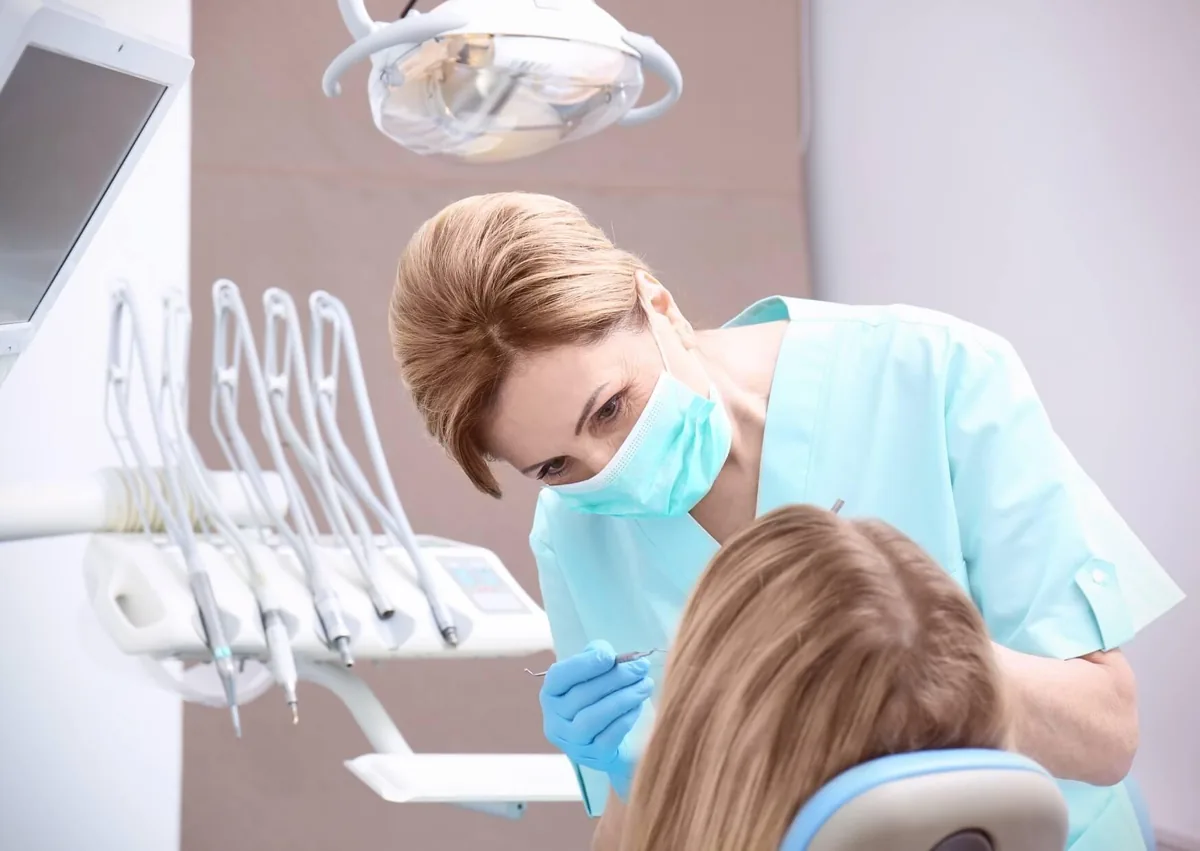
Get prompt dental care or emergency dentistry if pain becomes severe or gets worse after initially improving. Also seek care for persistent bleeding, fever, pus, a foul taste with increasing swelling, or trouble swallowing.
Trouble breathing, rapidly spreading swelling, or uncontrolled bleeding needs urgent medical attention. If you are unsure whether the area has healed enough for normal chewing, contact the dentist or oral surgery provider who performed the extraction.
A quick exam can show whether you have delayed healing, trapped food, dry socket, or infection. That is the safest way to know when a burger and other firmer foods are actually appropriate.
If you have severe pain, persistent bleeding, or signs of infection after eating, seek prompt evaluation to identify dry socket or trapped debris and get targeted treatment.
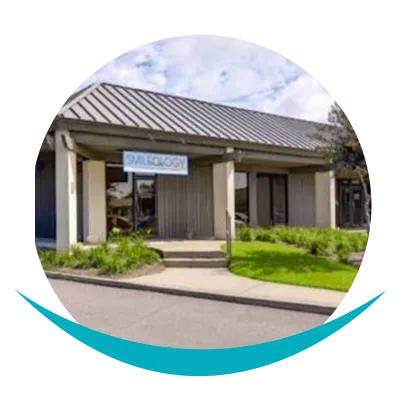
Smileology's tooth extractions and wisdom teeth removal team in Niceville, FL, serving patients from Miramar Beach and Crestview, can assess your healing and arrange timely care, call (850) 897-4488 or book online.
Yes, but cheese does not make the burger easier to chew. Most people should still wait about a week, choose a soft bun and tender patty, and avoid crunchy or firm toppings until chewing feels comfortable.
Usually not. Day 3 is still early, and the clot and surrounding tissue are more vulnerable to irritation and dry socket.
Not at first. Crispy fries can scrape healing tissue and small pieces can lodge in the sockets, so they are usually better delayed until chewing is comfortable and healing is further along.
Do not dig into the socket. Use only the cleaning method your dental clinician recommended, and call the office if debris will not clear or if you also have increasing pain, swelling, odor, or a foul taste.
We work with most PPO dental plans, including Aetna, MetLife, Guardian, United Concordia, UnitedHealthcare, and Cigna. In-network status depends on your employer plan. Delta Dental plans are handled on an out-of-network basis; contact us to review your benefits.