Same-Day Emergency Dental Appointments
We offer same-day relief for urgent dental issues like tooth pain or broken, cracked, or chipped teeth. Call now to be seen right away!
After dental implant surgery, stick with cool or room-temperature liquids and very soft foods that need little or no chewing. Over the next one to two weeks, many patients can slowly add tender foods as comfort improves, but you should not chew on the implant site until your dental team says it is safe.
Your surgeon’s instructions and any guidance from your oral surgery team come first. The right diet depends on the number and location of implants, whether bone grafting was done, and whether you have a temporary tooth or denture in place.
If you're planning or recovering from tooth replacement, understanding how diet affects implant healing can help protect your results. At Smileology in Niceville, FL, our dental implant care focuses on practical recovery advice and comfort after surgery so you know what to expect while healing.
Once the numbness starts to wear off, begin with water and smooth foods that are cool or lukewarm. Good options often include yogurt without seeds, applesauce, pudding, gelatin, blended soup that is not hot, mashed banana, and smooth cottage cheese.
Protein and calories support tissue repair. A smoothie or nutrition drink can help, but use a cup or spoon instead of a straw because suction may disturb the surgical area.
Do not chew until feeling has returned fully so you do not bite your cheek, lip, or tongue by accident. If you feel nauseated after sedation or anesthesia, start with small sips and bland foods, then advance slowly based on your surgeon’s instructions.
For the next several days, choose foods that can be cut easily with a fork and swallowed with minimal chewing. Chew on the opposite side when possible, and stop if a food causes pressure, throbbing, or bleeding near the implant site.
Useful choices may include:
For more ideas, see 50 soft foods.
This general timeline shows how food texture often progresses, but it is not a substitute for personalized instructions. See the 4 step implant timeline for more on the stages of implant treatment.
|
Healing Stage |
Foods That May Be Appropriate |
Main Precaution |
|---|---|---|
|
First 24 hours |
Cool liquids, yogurt, applesauce, pudding, smooth purées |
Avoid heat, suction, and chewing while numb |
|
Days 2 to 3 |
Eggs, oatmeal, mashed vegetables, blended soup |
Keep food away from the surgical site |
|
Days 4 to 7 |
Soft pasta, flaky fish, tofu, tender cooked vegetables |
Add texture only as comfort permits |
|
After 1 to 2 weeks |
Gradual return toward a regular diet if cleared |
Do not assume the implant can handle hard chewing |
Hard, crunchy, sticky, or sharp foods can put pressure on the site or get trapped under healing gum tissue. Avoid chips, popcorn, nuts, seeds, crusty bread, raw vegetables, tough meat, hard candy, chewing gum, and sticky sweets until your dentist says they are safe.
Very hot foods and drinks can increase irritation or restart bleeding early in recovery. Spicy and acidic foods may also sting the incision, while alcohol can interfere with healing and may not be safe with prescribed medication.
Do not smoke or vape during healing. Tobacco and nicotine reduce blood flow and are linked to slower healing and a higher risk of implant failure.
Dental implants replace a missing tooth root with a fixture placed in the jawbone. Over the following weeks to months, bone can attach to the implant surface through osseointegration, creating support for a crown, bridge, or denture.
The implant is not ready for normal chewing just because it feels better. Early stability must be protected while bone and gum tissue heal, especially after grafting or when several implants support a temporary restoration.
Missing teeth may also be restored with a conventional bridge or removable partial denture. Review tooth restoration options.
Swelling and soreness often peak during the first few days and then begin to improve. Many people can expand their soft-food choices within a week, but complete integration of the implant with bone commonly takes several months, as explained in how tooth implant takes.
A temporary tooth may look functional without being designed for normal biting force. If it feels high, loose, or uncomfortable, contact the dental office instead of trying to adjust it or test it with hard food.
Bone grafting, sinus procedures, multiple implants, and full-arch treatment may require a longer modified diet. Follow-up visits help your dentist decide when firmer foods and chewing on the treated side are appropriate.
If you're concerned about timing, read more about getting a dental implant.
Try to keep meals regular and nutrient-dense even if you are eating smaller portions. Soft sources of protein, fruits or vegetables in safe textures, and good hydration all support recovery unless a medical professional has given you dietary or fluid restrictions.
Follow your surgical team’s instructions for brushing and cleaning around the site. Do not probe the wound, pull your lip or cheek back repeatedly to inspect it, or rinse forcefully during early healing.
Once restored, an implant still needs daily plaque removal and professional maintenance. Gum inflammation and bone loss can develop around implants, so long-term home care and regular dental exams remain important.
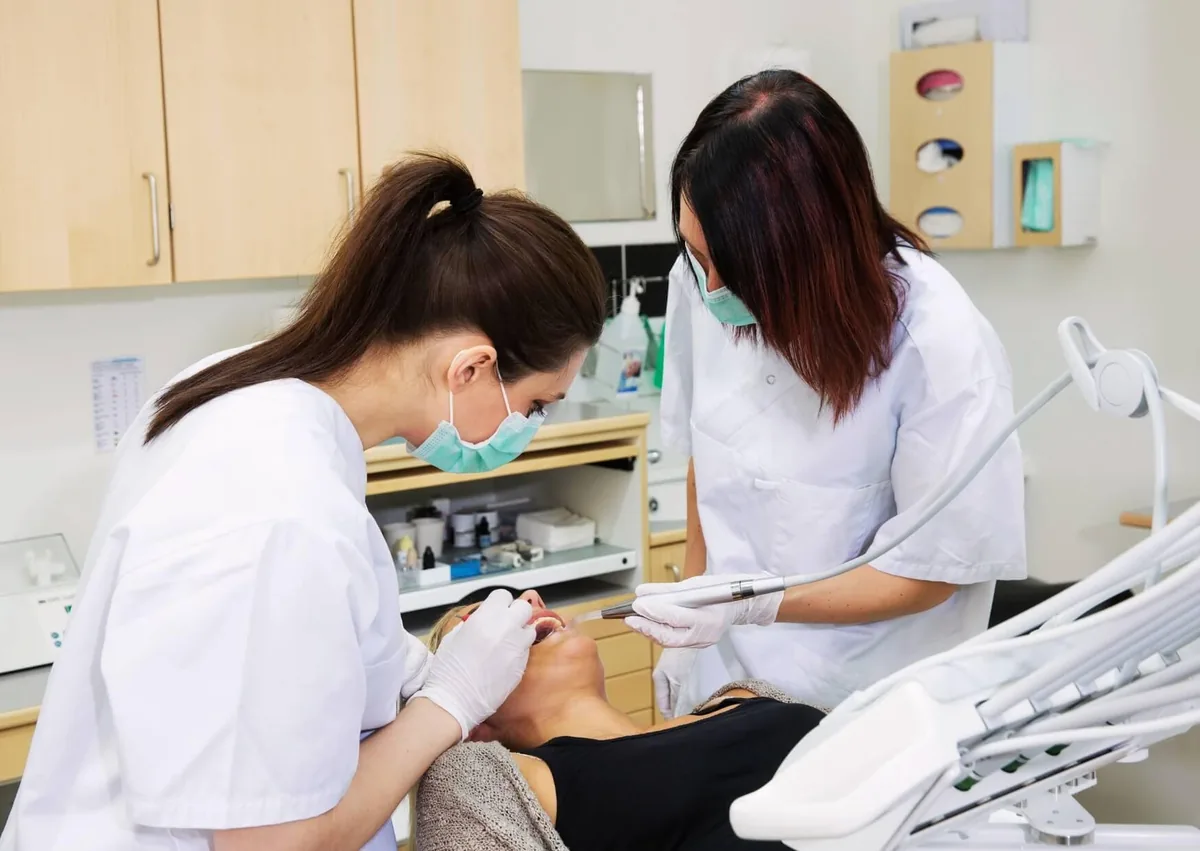
Some swelling, tenderness, minor oozing, and bruising are common after surgery. Contact the dental office and seek emergency dentistry if pain or swelling gets worse after first improving, bleeding does not slow with the recommended measures, or the implant or temporary restoration feels mobile.
Also call if you develop persistent numbness, foul drainage, a bad taste, fever, or trouble opening your mouth. Symptoms that are severe, persistent, worsening, or unclear should be evaluated rather than managed with diet changes alone.
Seek urgent medical care for trouble breathing or swallowing, rapidly expanding facial or neck swelling, severe uncontrolled bleeding, confusion, or signs of a serious allergic reaction.
A preoperative or follow-up visit is the right time to ask about food restrictions, work and activity timing, temporary teeth, medical conditions, and the expected restoration schedule. Personalized guidance is especially important for patients with diabetes, immune conditions, swallowing difficulties, complex grafting, or medications that affect bleeding or healing.
To confirm when it’s safe to resume normal chewing and protect your implant, arrange a follow-up visit for a focused healing assessment. Smileology offers dental implant care in Niceville and nearby Miramar Beach and Crestview, FL; call (850) 897-4488 or schedule online to set up an appointment.
Follow your surgical team’s instructions, especially if sedation was used. Once it is safe to eat, wait until enough numbness has worn off to avoid biting soft tissues, then start with cool or room-temperature liquids and smooth foods.
That depends on implant stability, location, grafting, and the type of temporary restoration. Do not chew directly on the surgical side until the treating dentist confirms that it is appropriate.
Avoid hot coffee during the early recovery period because heat may irritate the wound or encourage bleeding. Ask your surgical team when warm beverages are acceptable, and do not use a straw.
Rice grains can collect around an incision or under a temporary restoration. It is usually safer to wait until the site has started closing and your dental team says foods with small particles are okay.
Many patients eat soft foods for about one to two weeks, but some need restrictions for longer. Your surgeon’s instructions should determine when to advance your diet, especially after bone grafting or multiple-implant treatment.
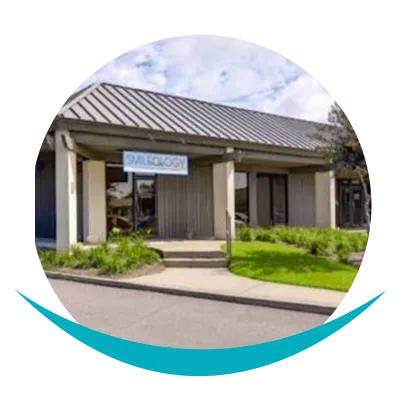
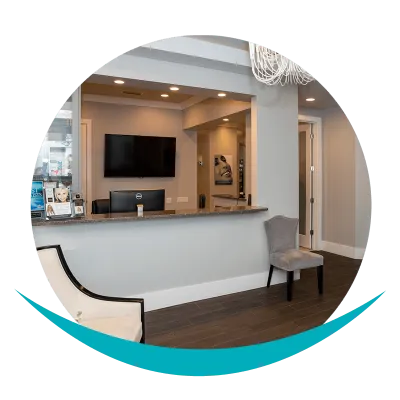

We work with most PPO dental plans, including Aetna, MetLife, Guardian, United Concordia, UnitedHealthcare, and Cigna. In-network status depends on your employer plan. Delta Dental plans are handled on an out-of-network basis; contact us to review your benefits.