Same-Day Emergency Dental Appointments
We offer same-day relief for urgent dental issues like tooth pain or broken, cracked, or chipped teeth. Call now to be seen right away!
Zygomatic dental implants can support a fixed upper-arch restoration when severe bone loss makes conventional dental implants difficult or impossible. Instead of relying mainly on the upper jaw, these longer implants anchor in the cheekbone, which may reduce the need for extensive grafting and shorten the path to stable teeth.
For some patients, this approach becomes the foundation for full mouth dental implants.
They are not a routine option for every missing tooth. Treatment requires detailed imaging, careful medical and dental evaluation, and a clinician or surgical team with advanced training in this technique.
When severe upper-jaw bone loss limits your options, full mouth dental implants supported by advanced anchoring may provide a fixed alternative without major grafting. Smileology in Niceville, FL Miramar Beach, FL Crestview, FL can explain whether this approach may improve stability, function, and overall treatment efficiency for your case.
After upper teeth are removed, the supporting bone gradually shrinks because it no longer receives normal chewing forces. Bone loss is often greater after years of denture wear, advanced gum disease, infection, trauma, or previous implant failure.
The maxillary sinuses also take up space above the back teeth. As the ridge becomes thinner and sinus space expands, there may not be enough bone height or width to stabilize conventional implants without grafting.
Poorly fitting dentures can make the problem worse by shifting during speech and chewing or causing sore spots. In some cases, the upper jaw becomes so resorbed that routine implants, short implants, or grafting are no longer the most predictable solution.
Zygomatic implants are longer than conventional implants and engage the dense zygomatic bone, commonly called the cheekbone. Their angled path allows support even when the upper jaw has substantial bone loss.
A full-arch restoration often uses zygomatic implants along with conventional implants placed where usable bone remains. In more advanced cases, multiple zygomatic implants may be considered, but the number and arrangement depend on anatomy and the planned prosthesis.
These implants usually support a connected bridge rather than replacing teeth one at a time. Immediate provisional teeth may be possible when implant stability, bite forces, and other clinical factors are favorable, but immediate function is not guaranteed.
After healing and confirmation of stability, the temporary restoration is adjusted or replaced with a definitive bridge, such as zirconia fixed bridges, designed for fit, function, cleanability, and appearance.
Alternatives may include a removable denture, implant dentures, conventional implants with bone grafting, or other advanced implant designs. Sinus augmentation, often called a sinus lift, can create implant-supporting bone in selected patients, but graft maturation adds treatment time.
Zygomatic implants may be considered when severe upper jaw atrophy is present, previous grafting has failed, or a patient cannot or does not want to undergo extensive grafting. They may also be evaluated after certain tumor, trauma, or congenital defects, usually with multidisciplinary planning.
Candidacy depends on sinus health, cheekbone anatomy, oral hygiene, bite forces, remaining teeth, and the ability to maintain the final restoration. Smoking or nicotine use, uncontrolled diabetes, active gum disease, untreated infection, and some medical conditions or medications can increase risk and may need to be addressed first.
A cone beam computed tomography scan, or CBCT, provides a three-dimensional view of the jaws, sinuses, nerves, and potential implant paths. The evaluation may also include a medical history review, sinus assessment, impressions, photographs, and prosthetic planning. Cost also matters when comparing options, so discuss estimates and financing early, including the cost of dental implants.
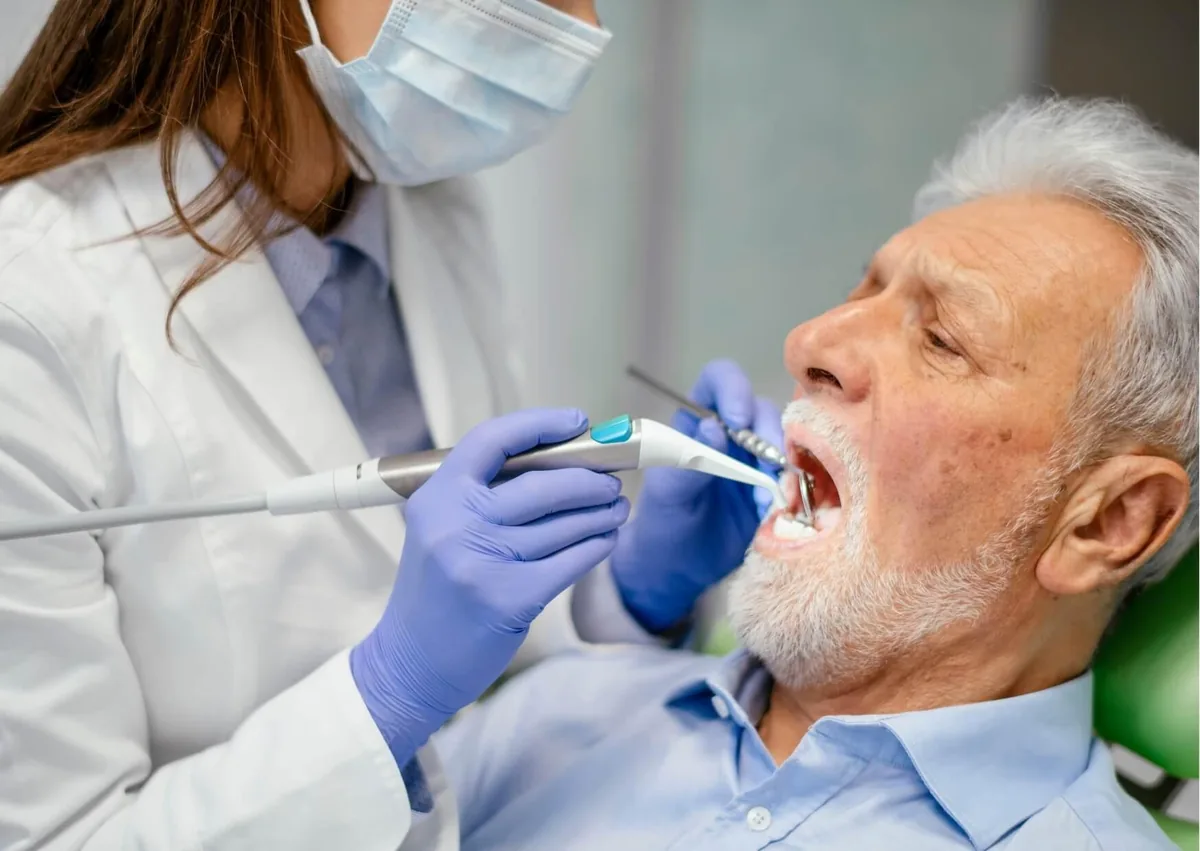
Before surgery, the team develops a plan that coordinates implant position with the shape and bite of the final teeth. Sedation or general anesthesia may be considered based on case complexity, health status, clinician recommendations, and the treatment setting. Complex cases involving zygomatic anchors generally fall within the scope of oral surgery.
During surgery, the implants are placed through the upper jaw region and anchored in the cheekbone. Remaining unhealthy teeth may be removed at the same visit, and conventional implants may be added where enough bone is available.
A temporary fixed bridge can sometimes be attached the same day or shortly afterward. If initial stability or other conditions are not adequate, a removable temporary restoration or a healing period without immediate loading may be safer.
The implants usually require several months to integrate with bone, although timelines vary. After healing and confirmation of stability, the provisional restoration is refined or replaced with a definitive bridge designed for fit, function, cleanability, and appearance.
Swelling, bruising, congestion, tenderness, and minor bleeding can occur after surgery and usually improve over time. Patients should follow the surgical team's instructions for diet, oral hygiene, activity, and follow-up rather than relying on generic online advice.
Possible complications include infection, sinus inflammation, communication between the mouth and sinus, soft-tissue recession, implant loosening, altered sensation, prosthetic fracture, and failed integration. Because these implants are close to the sinus and orbit, precise planning and experienced surgical care are especially important.
Contact the treating clinician promptly for pain or swelling that worsens instead of improving, persistent drainage, a loose restoration, fever, a foul taste, or ongoing sinus symptoms. Seek urgent medical care for trouble breathing, uncontrolled bleeding, rapidly spreading facial swelling, vision changes, or severe eye-area symptoms.
A fixed bridge cannot develop cavities, but plaque can still inflame the tissues around implants and contribute to peri-implant disease. Daily cleaning usually requires brushing plus tools that reach beneath the bridge, such as floss threaders, interdental brushes, or a water flosser selected with professional guidance.
Professional maintenance visits allow the dental team to examine the tissues, check the bite and bridge, evaluate implant stability, and take imaging when needed. The right recall interval depends on hygiene, disease history, smoking status, restoration design, and other risk factors.
Nighttime grinding or clenching can overload implants and damage prosthetic materials. A protective appliance may be recommended after the bite and final restoration have been evaluated.
For appropriately selected patients, zygomatic dental implants can provide fixed upper teeth without major bone grafting, stronger chewing function than a loose denture, and a more streamlined treatment sequence. Anchoring in dense cheekbone may also offer stability when the remaining upper jawbone is inadequate. These advantages align with the broader benefits of dental implants.
The procedure is more complex than routine implant placement, and results depend on anatomy, surgical execution, prosthetic design, healing, and long-term maintenance. No implant treatment can promise permanent success, and the bridge may need repair or replacement over time even when the implants remain stable.
A consultation is reasonable if severe upper jaw bone loss, repeated denture problems, failed grafting, or previous implant failure has limited other options. Bring relevant dental images, medical information, and a current medication list so the clinician can compare grafting, removable restorations, conventional implants, and zygomatic implants based on your needs.
If you want a focused review of fixed upper-arch options and realistic steps to achieve stable teeth, a consultation with an implant team will clarify candidacy and likely next steps. Contact Smileology to discuss full mouth dental implants at our Niceville, FL; Miramar Beach, FL; and Crestview, FL locations. Call Niceville at (850) 897-4488, Miramar Beach at (850) 424-7887, or Crestview at (850) 331-3392, or schedule online to begin.
No. Conventional implants are usually anchored within the jawbone near the missing teeth, while zygomatic implants are longer and engage the cheekbone to support an upper-arch restoration when maxillary bone is severely reduced.
They can sometimes eliminate the need for sinus grafting because they use a different source of anchorage. Whether grafting can be avoided depends on anatomy, sinus health, remaining bone, and the restoration plan.
The implants remain in the bone, and they commonly support a fixed bridge that only a dental professional removes. Other restoration designs may be considered when cleaning ability, anatomy, health, or patient goals favor a removable option.
They may function for many years, but lifespan cannot be predicted for any one person. Oral hygiene, smoking, medical health, bite forces, professional maintenance, implant integration, and bridge condition all influence long-term performance.
Treatment should be planned and performed by clinicians with advanced training and documented experience in zygomatic implant surgery and full-arch restoration. Complex cases may involve an oral and maxillofacial surgeon, prosthodontist, restorative dentist, anesthesiology professional, or ear, nose, and throat specialist. For guidance on selecting a provider, see how to choose a dental practice.